
Perched amid the rolling hills of Baltimore County’s Green Spring Valley, Gramercy Mansion has a history as elegant as the estate itself. Its story begins in the early 1900s, when wealthy Baltimore socialite Alexander J. Cassatt’s family, heirs to the Pennsylvania Railroad fortune, commissioned the construction of a grand country estate. Designed as a luxurious retreat from bustling city life, the mansion was completed around 1902, showcasing Tudor-style architecture, ornate woodwork, and landscaped gardens that embodied the grace of the era’s country homes.
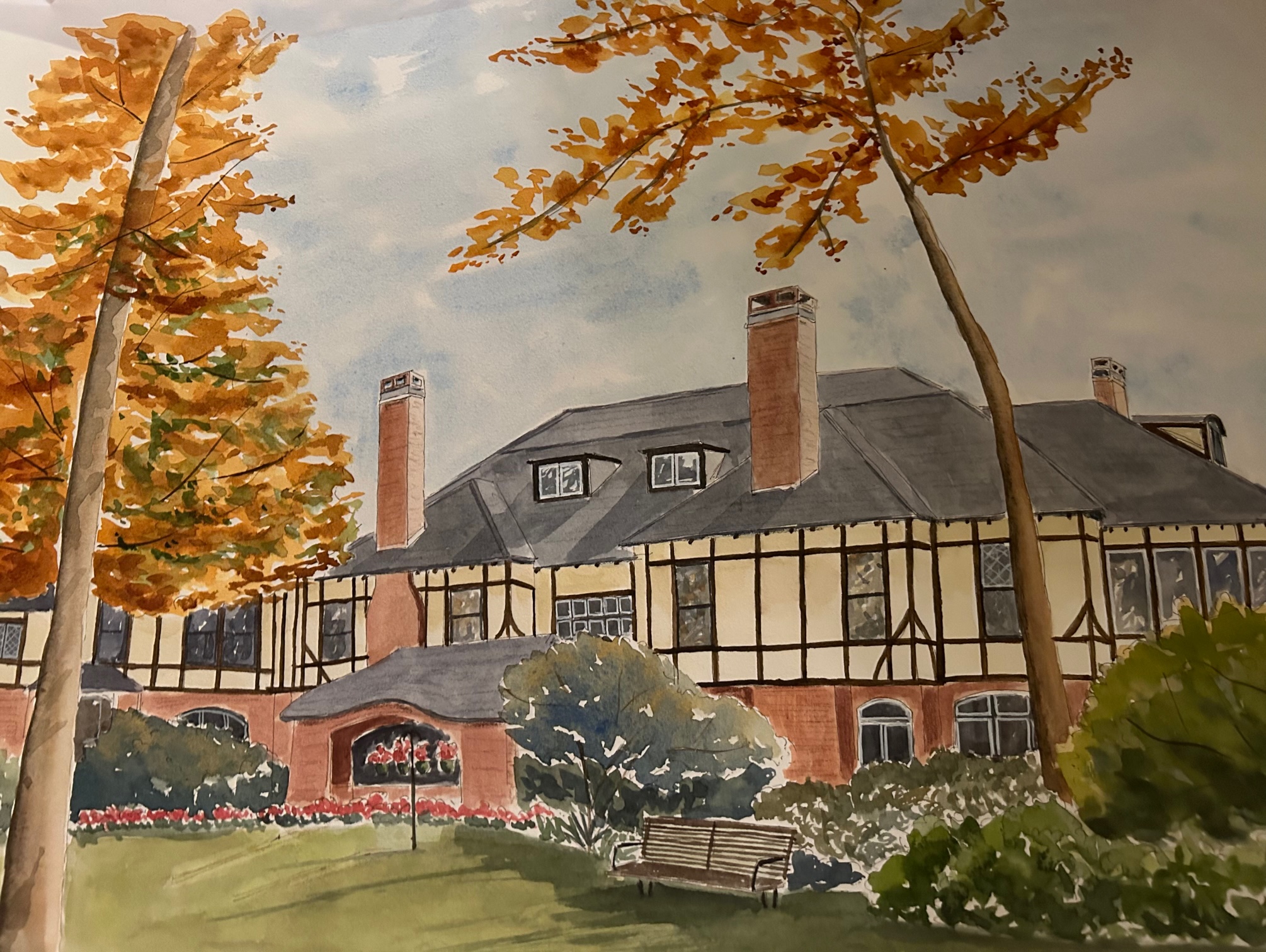
During the 1920s and 1930s, the property became a gathering place for Baltimore’s elite, hosting glittering parties and offering a tranquil escape amid horse country. Over time, Gramercy passed through several private owners, each adding to its character while preserving its stately charm.
A major chapter unfolded in the mid-20th century, when the mansion transitioned from a private residence to a place of purpose. For a time, the property served as the headquarters for Koinonia, a pioneering organic farming and nutrition movement led by the Health Research Institute. Its lush acreage became a model for sustainable agriculture long before “farm-to-table” was a trend, leaving a lasting legacy of environmental stewardship.
In the 1980s, Baltimore preservationists Anne and Ron Pomykala purchased Gramercy Mansion, lovingly restoring the home and gardens to their former splendor. Their vision transformed the estate into the bed & breakfast and wedding venue beloved today. A space where history, romance, and hospitality beautifully intertwine.
A Legacy of Elegance and Welcome
From its origins as a Gilded Age country estate to its revival as one of Maryland’s premier event venues, Gramercy Mansion stands as a testament to timeless beauty and careful preservation. Visitors today can stroll the same gardens once enjoyed by early 20th-century socialites, relax in elegantly appointed rooms, and celebrate life’s milestones in a setting that bridges past and present.